
The Story Behind the Distinguishable Yellow Hue of LEGO® Minifigures That Everyone Recognizes
The LEGO® minifigure is undoubtedly one of the most recognizable toys in the world, with its distinctive yellow hue and simple, smiling features that resonate with fans across the globe. When LEGO® launched its first minifigure in 1978, no one could have predicted the trajectory of a plastic toy consisting of nine total parts that make a 1.5-inch tall masterpiece. More impressive for LEGO® Group: the astonishing amount of colors, prints, accessories, and hairpieces of these minifigs is on par with the customization capabilities of an MMORPG.
The Color of Neutrality and Universality For Play
When LEGO® first introduced minifigures, the goal was to create characters that would appeal to fans across different cultures, ethnicities, and backgrounds. They wanted the minifigures to be inclusive and relatable, transcending boundaries and integrating LEGO® followers around the world. The design team carefully considered various colors for their minifigures, ultimately settling on the signature yellow shade we all recognize today.
The best reason for this choice?
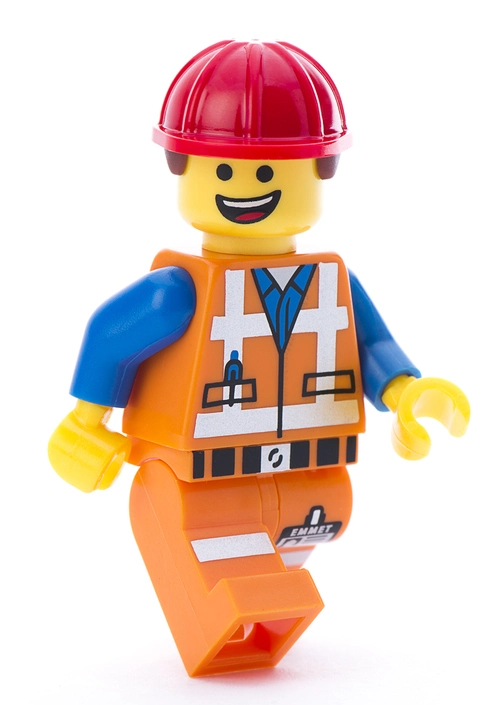
Yellow is a neutral color that doesn’t correspond to any specific skin tone, making it an ideal representation of the universality of the human experience when building the greatest toy ever made.
By opting for a shade that doesn’t resemble any real-life human complexion, LEGO® aimed to encourage children to imagine their minifigures as anyone they wanted and fully immerse themselves in the play experience. The yellow hue was intended to foster creativity and open-mindedness, allowing generations and interests to unite under the umbrella of the brick.
The Importance Of Imagination And Play For LEGO® Fans
The decision to use a neutral color for their minifigures was closely aligned with the LEGO® Group’s philosophy of fostering imagination and creativity through play. LEGO® has always believed that play is a crucial part of the individual’s development, helping them to learn, grow, and explore the world around them by playing well together.
By designing minifigures in this manner, LEGO® ensured that children could engage in imaginative play without any limitations. They could easily envision their minifigures as heroes, villains, or everyday people, regardless of their own background. Fast forwarding to 2026, minifigures are now all shapes, sizes, and colors—they even have LEGO® minifigures with different heights!
The Evolution of LEGO® Minifigures Over The Past Four Decades
While the classic yellow shade for minifigures has remained largely unchanged for over four decades, there have been some notable exceptions. In 2003, LEGO® introduced the first minifigures with realistic skin tones through their licensed NBA Basketball theme and the Star Wars character Lando Calrissian. This change was made to accurately represent the athletes from the NBA and characters from the Star Wars franchise.
Since then, LEGO® has continued to create minifigures with various skin tones for specific themes and licensed sets. However, the traditional yellow hue remains the standard for generic minifigures in themes like City, Castle, and Ninjago, maintaining the spirit of universality and inclusivity that has defined the aesthetic appeal of LEGO® minifigs since 1978.
SMART Minifigures: The Next Evolution In 2026
In January 2026, LEGO® unveiled its most significant innovation since the original minifigure: the LEGO® SMART Play system. Debuting at CES 2026, this groundbreaking technology introduces SMART Minifigures embedded with digital IDs that communicate with SMART Bricks packed with sensors, accelerometers, and miniature speakers. When you place a SMART Minifigure on a SMART Brick, it triggers contextual sounds and reactions—imagine Luke Skywalker’s lightsaber humming or Darth Vader’s iconic breathing. The first SMART Play sets launched in March 2026 through LEGO® Star Wars, proving that while the yellow minifigure remains timeless, the little plastic figure continues to evolve in ways we never imagined.
Inclusive Play For Everyone Over Multiple Generations
The yellow shade of minifigures is a testament to the LEGO® Group’s commitment to fostering creativity, imagination, and inclusivity for fans. By choosing a neutral color, LEGO® has ensured that their minifigures remain universally relatable, allowing kids and adult fans of LEGO® to put themselves in the plastic legs of the minifigure. Also, due to their expert color choice, this color is now cemented in our minds as the color of the little LEGO® minifigure—forever.