
LEGO® Is A Privately Held Company So Disney Definitely Does Not Own Them
LEGO® is a completely separate, privately held toy manufacturing company. Diseny does not sell, own, or operate in any capacity for the LEGO® Group. However, due to there being multiple sets, Disney and LEGO® most likely have a private contract and licensing agreements together.


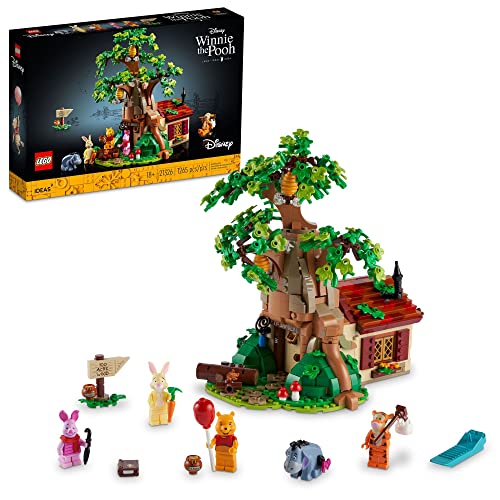
Disney Definitely Does Not Own LEGO®, But They Most Definitely Have A Business Contract
Typically, companies like LEGO® and Disney would enter into a licensing agreement, whereby LEGO® is granted a license to produce and sell products based on Disney’s intellectual property, such as characters and settings from Disney movies or franchises. In return, Disney would likely receive royalty payments based on sales of these LEGO® sets, as well as other possible compensations outlined in the contract.
Hypothetical Synopsis Of That Contract In Stages From A Corporate Law Perspective
Initiation: Both companies identify a mutual benefit in collaboration, and initial talks begin.
Due Diligence: Both parties carry out investigations to ensure that they are willing and able to fulfill contract terms.
Contract Negotiation: Lawyers and representatives from both companies negotiate the terms of the licensing agreement, including the scope of the license, geographic limitations, time frame, financials such as royalty rates, and quality control measures.
Quality & Compliance: The contract might stipulate that LEGO® has to maintain a certain standard of quality, and possibly require that Disney approve designs before production begins.
Financial Arrangements: The contract will outline how Disney will be compensated. This is often through royalties, which are percentages of sales revenue, but could also include lump-sum payments or a combination thereof.
Term and Termination: The contract will define the length of the agreement and conditions under which either party could terminate it early.
Dispute Resolution: Most contracts also include a clause outlining how disputes will be resolved, commonly through arbitration rather than litigation.
Review and Renewal: Contracts often come with terms for reviewing the agreement at regular intervals and possibly renewing it if both parties are satisfied.
Execution: Once terms are agreed upon, both parties sign the contract, and LEGO® begins designing, producing, and marketing the Disney-themed sets.
Reporting and Payments: LEGO® would generally be required to regularly report sales figures and pay Disney the agreed-upon royalties.
Audits: Usually, the license owner (Disney, in this case) has the right to audit sales to ensure correct reporting and payment.
Contract End or Renewal: At the end of the contract term, both parties may negotiate to renew, possibly under revised terms, or the contract may simply expire.
LEGO® Is Owned By Itself And Always Will Be
While LEGO® has an agreement for the Disney license, there is no way LEGO® would let itself be held by a publicly traded company. However, the licensing agreement the two entities most likely share allows for some awesome, collectible sets!

- Why Is the LEGO® Bird of Paradise So Expensive? - September 14, 2025
- Why Is LEGO® Cloud City So Expensive? - August 18, 2025
- Why Are LEGO® Lord of the Rings Sets So Expensive in 2025? - August 18, 2025