
From a Single Light-Up Brick to Polybags You Can Lose in Your Pocket — These Are LEGO®’s Tiniest Sets
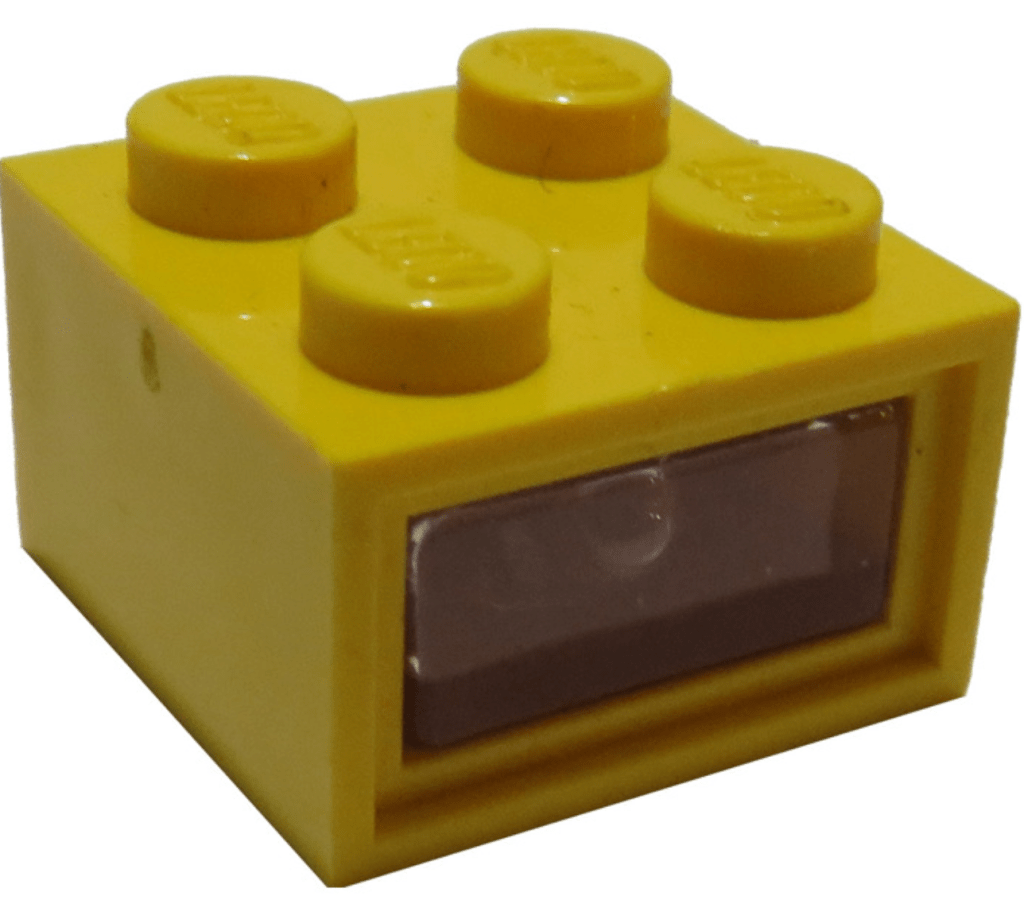
When people think about LEGO®, they usually picture massive builds — the Eiffel Tower, the UCS Millennium Falcon, the biggest LEGO® set ever made. But what about the other end of the spectrum? The smallest LEGO® set ever made is the 1115 Lighting Brick, 4.5V — a single light-up brick element released around 1977–1980 (sources vary on the exact year). One piece. That’s it. The entire set.
But “smallest” means different things to different people. Are we talking fewest pieces? Smallest physical size? Cheapest retail price? Below, we’ll break down the tiniest sets LEGO® has ever produced — from literal one-piece wonders to pocket-sized polybags that pack more charm than their size suggests.
The Definitive Answer: Set 1115 Lighting Brick
The 1115 Lighting Brick, 4.5V is a single light-up brick element that shipped as its own set. It is listed as a 1980 release, though Rebrickable and Toys N Bricks cite 1977 — so the exact year is debated. Either way, it holds the record: one piece, one set, done.
With an original MSRP of just $0.95, it was a functional accessory designed for LEGO®’s 4.5V electrical system — not exactly a riveting build, but technically a cataloged set. Today, Secondary market data values a sealed example at around $6 and used copies at about $3. Not a retirement goldmine, but a fun curiosity piece for trivia collectors.
The 630 Brick Separator also has just one piece and has been sold as its own set number since 1996. But most collectors consider it a tool rather than a buildable set — so whether it “counts” depends on your definition. If you’re strict about it, the Lighting Brick wins either way.
The Smallest Buildable LEGO® Sets
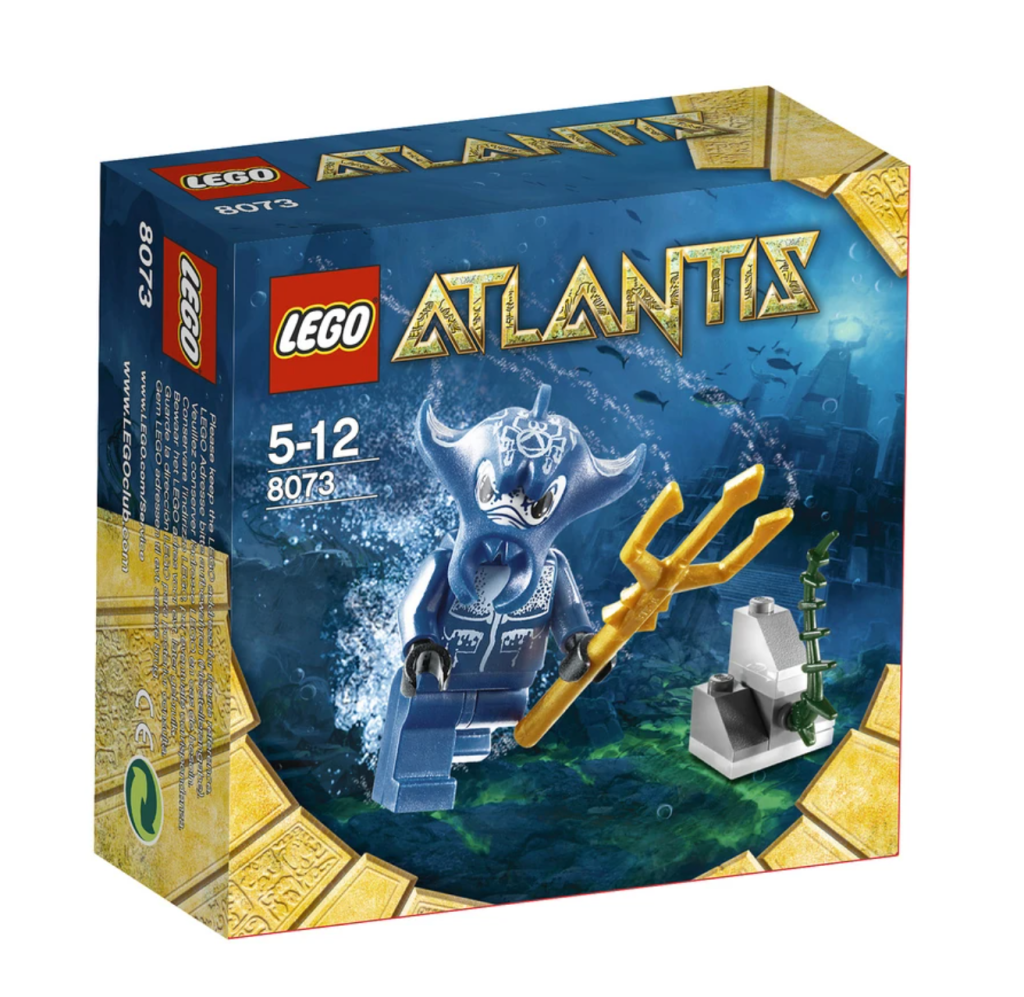
Once you move past one-piece wonders, the “smallest buildable set” category gets interesting. Here are some of the tiniest LEGO® sets ever produced — real builds with instructions, not just loose accessories or tools.
Notice a pattern? Most of the truly tiny sets are polybags — small promotional bags typically sold near checkout aisles for under $5. They’re easy to overlook, but some have become collector favorites after retirement, especially when they include exclusive minifigures or belong to popular themes.
And here’s the thing: the definition of “smallest set” really depends on your criteria. If you count CMF (Collectible Minifigure) mystery bags, those typically contain one minifigure plus 3–7 accessory pieces — so around 8–10 total pieces per bag. Technically sets. Tiny ones.
Microscale LEGO® Builds: Big Ideas, Tiny Bricks
Microscale (also called miniscale) is a LEGO® building style where you construct models at a dramatically smaller scale than the standard minifigure scale of roughly 1:48. This lets builders create miniature versions of massive structures — entire cityscapes, starships, or landmarks — in a fraction of the footprint.
There’s no single “official” microscale ratio. LEGO® Architecture sets typically build at 1:192 or 1:250, while other microscale builds might be even smaller. Some great examples:
LEGO® Architecture Skyline series — sets like the Tokyo Skyline or New York City pack multiple landmarks into a single display piece, all at micro scale. Micro-builds inside larger sets — the Hogwarts Express Collectors’ Edition includes a miniature Hogwarts Castle built at microscale, and the Advent Calendar micro-builds (tiny X-wings, TIE Fighters, etc.) are some of the most charming small models LEGO® makes each year. MOC microscale — the AFOL community has taken microscale building to wild extremes, creating entire LEGO® cities, battle scenes, and space stations at scales where a 1×1 brick represents a whole building.
The Smallest Minifigures On The Market: Nanofigures
The smallest LEGO® figures are called nanofigures. These monochrome, single-piece micro figures stand roughly 1cm tall (about 0.4 inches) — compared to a standard minifigure’s ~4cm (1.5 inches). They were first introduced in 2015 with the S.H.I.E.L.D. Helicarrier (76042) and later appeared in several major sets:
76042 S.H.I.E.L.D. Helicarrier (2015) — the first set to include nanofigures, with tiny Avengers crew members on the flight deck. NASA Apollo Saturn V (21309, 2017) — included astronaut nanofigures for the moon landing display. 71043 Hogwarts Castle (2018) — featured nanofigures of Harry Potter characters scattered throughout the micro-scale castle. 75159 Death Star (2016) — nanofigures populated this iconic Star Wars build at micro scale. 10294 Titanic (2021) — nanofigures gave the massive ship a sense of scale.
Quick note: there’s a distinction between nanofigures and microfigures. Microfigures were slightly larger, more detailed figures used in the LEGO Games line (2009–2012) — think board game playing pieces. Nanofigures are even simpler and smaller. Some collectors mix up the terms, but they’re technically different elements. If you’re curious about how much these tiny figures weigh, it’s practically nothing — standard minifigs are about 3 grams, and nanofigures are a fraction of that.
And no, nanofigures aren’t exactly cheap on the aftermarket. Most go for $1–5 individually on BrickLink, but rare ones from retired sets can hit $10+. Small figures, real collector demand.


Why Would You Want the Smallest LEGO® Sets?
Fair question. Here’s who actually cares about tiny sets — and why:
Collectors chasing records — some people want to own the biggest AND the smallest. It’s a completionist thing. Having the 1115 Lighting Brick in your collection next to a LEGO® Titanic is a flex. MOC builders who need microscale elements for custom creations — polybag parts are cheap sources of specific small elements. Budget-friendly entry points — at $4–5 for a polybag, small sets are the most affordable way to start building or introduce someone to LEGO®. Gift buyers looking for stocking stuffers, party favors, or small birthday add-ons. BrickLink sellers who part out small sets because the individual minifigures or unique pieces can be worth more than the set itself.
What Small LEGO® Sets Can You Buy Right Now?
LEGO® regularly releases new sets, including plenty of small ones. As of 2026, you’ll always find polybags and small boxed sets across themes like Speed Champions, City, Creator, and Star Wars priced at $4.99–$14.99. Check the “Under $25” filter on LEGO.com or look for polybags near checkout aisles at Target, Walmart, and Barnes & Noble.
The current crop of polybags tends to run 60–90 pieces — larger than the vintage micro-sets, but still pocket-sized builds that make for quick, satisfying sessions. And the ones that include exclusive minifigures? Those can become surprisingly valuable after they leave shelves. Keep that in mind if you spot one and want to know more about LEGO® as an investment.
Bigger Is Not Always Better
The world of LEGO® is vast and diverse, but also tiny. Even the smallest sets can offer a unique and exciting building experience. Whether you’re chasing the Lighting Brick for your trivia shelf, hunting polybag minifigures on BrickLink, or building entire cities at nanoscale, there’s something satisfying about proving that great things really do come in small packages.
And if you’re curious about the other extreme in the world of tiny LEGO®, check out the smallest LEGO® piece ever made — Elsa’s gold tiara from set 41068. It makes the 1115 Lighting Brick look massive.

- Doot Doot Gangsters, Spook Up Your October With These High Calcium Minifigures - March 27, 2026
- How LEGO® Perfected Its Process For Printing Minifigures - March 27, 2026
- Do You Want To Know How To Score Some Free LEGO®? - March 27, 2026